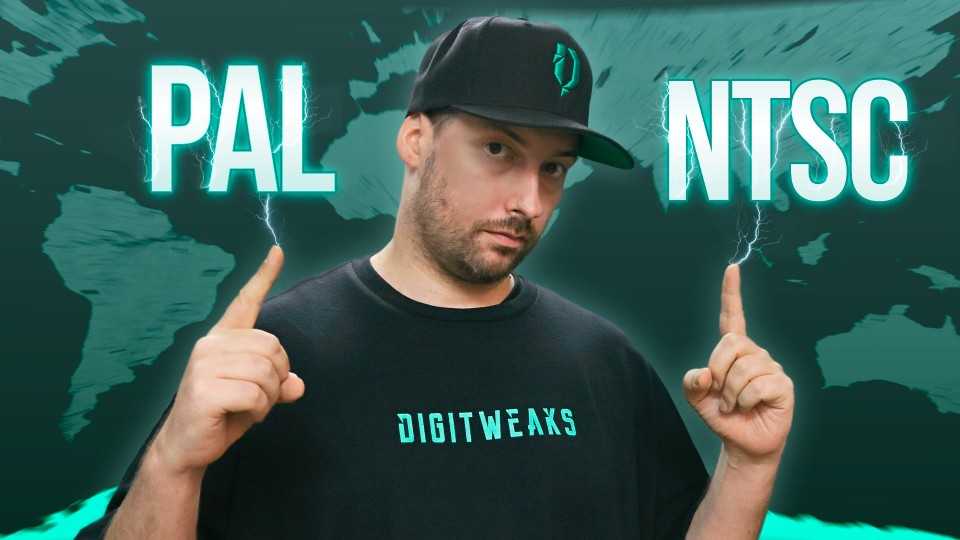
Welcome back to the Evolution of TV Standards series! In Part 6, we leave the world of analog broadcasting and magnetic tape behind to explore one of the biggest revolutions in television history: the transition to fully digital video. We'll discover why modern cameras still offer PAL and NTSC settings even though analog television has long disappeared, how 1080i and 720p coexisted during the early HD era, why progressive video eventually replaced interlacing, and how deinterlacing allows modern displays to show decades of archived television content. We'll also look at the evolution from 3CCD camcorders to CMOS sensors, explain the origins of rolling shutter, and explore how video formats evolved from tape-based recording to digital codecs and containers.
Finally, we'll dive into the early days of online video, from Flash Video and MySpace to YouTube, and see how smartphones completely transformed the way we capture, edit and share video. If you'd like to learn more about video codecs, be sure to watch my dedicated video on the subject, linked below. This episode is part of the Evolution of TV Standards series, where we explore how television technology evolved from the earliest mechanical systems to today's digital streaming platforms. If you enjoyed this episode, don't forget to like, subscribe and let me know in the comments which part of television history you'd like to see covered next!
TIMESTAMP:
00:00 - Intro
00:51 - What means PAL and NTSC in Digital Video
02:59 - Interlaced HD video formats 1080i and Progressive 720p
03:48 - De-interlacing in TVs and editing software
05:39 - 3CCD sensors vs CMOS sensors
06:55 - The Rolling Shutter or Jello effect
07:36 - The concept of Codecs
08:14 - The concept of Containers
08:51 - Audio compression evolution
09:07 - The beginning of Social Media Video Platform
10:12 - How Myspace helped promote YouTube
10:58 - How video platforms influenced video camera manufacturers
12:31 - Outro